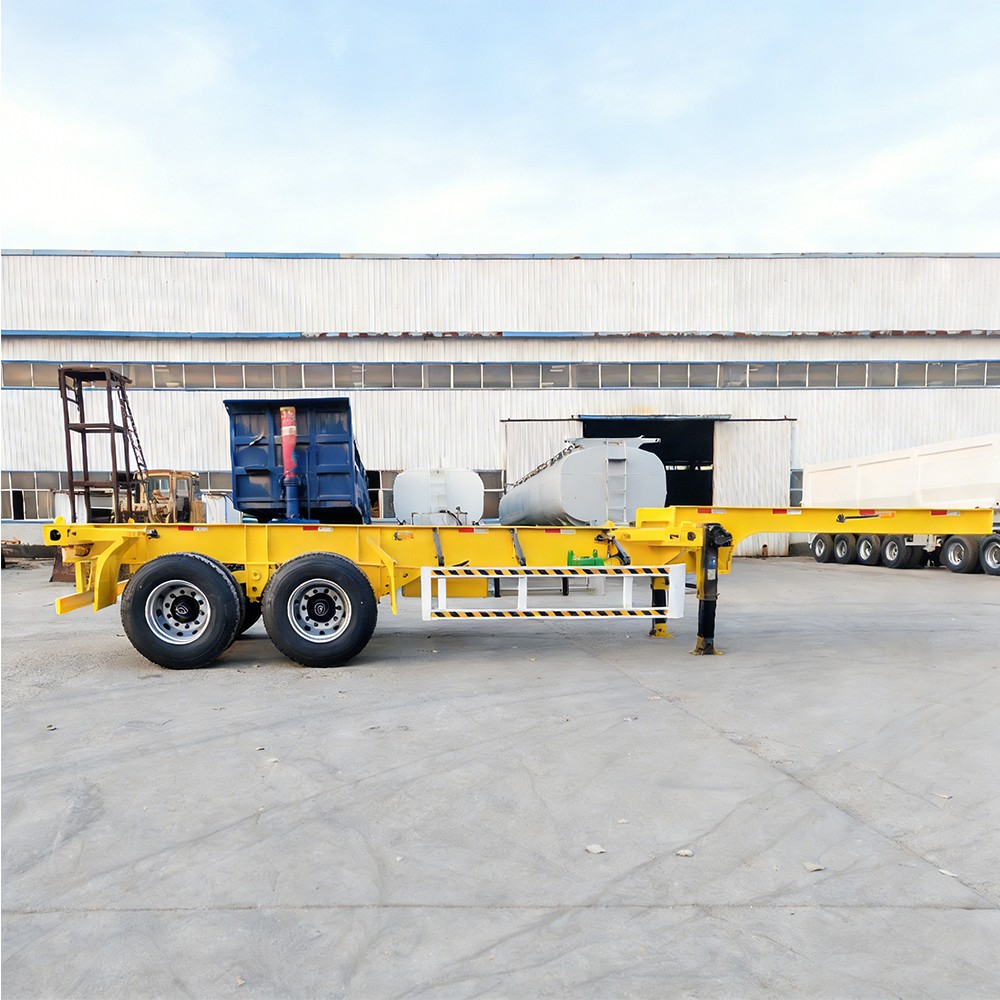
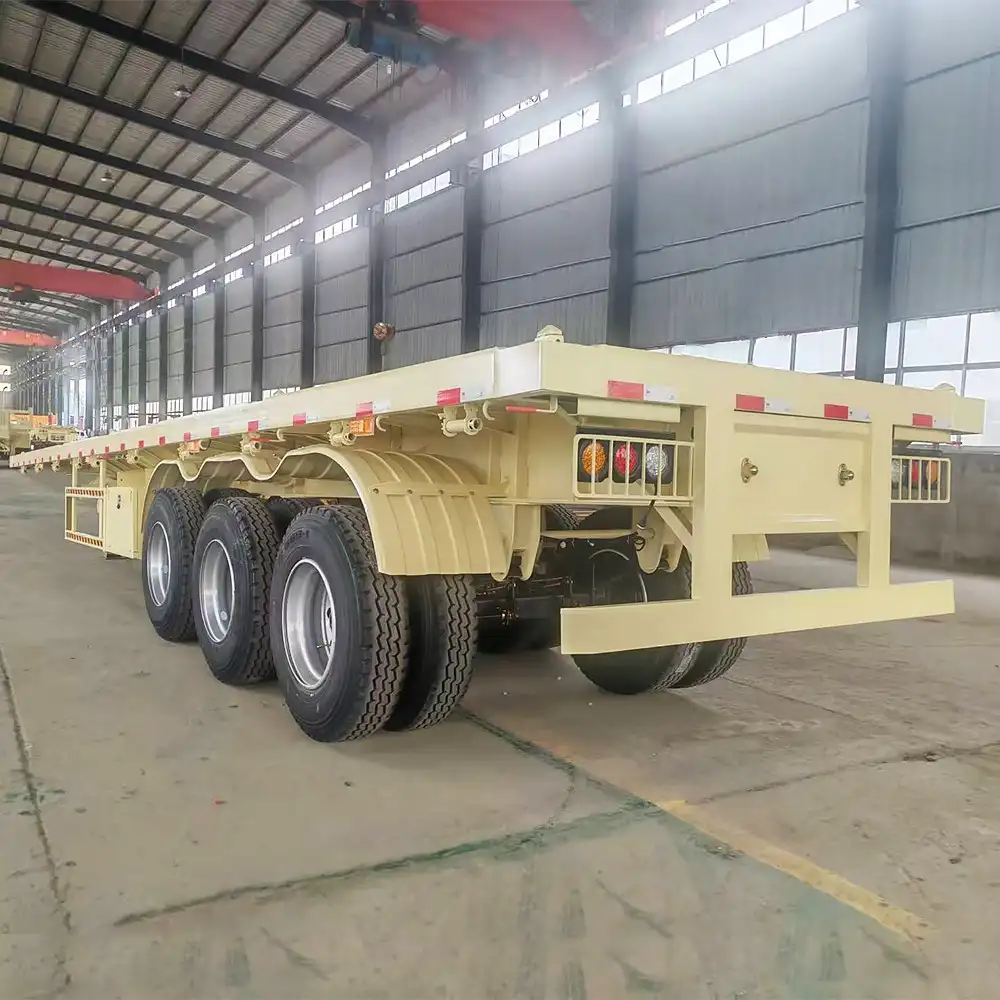
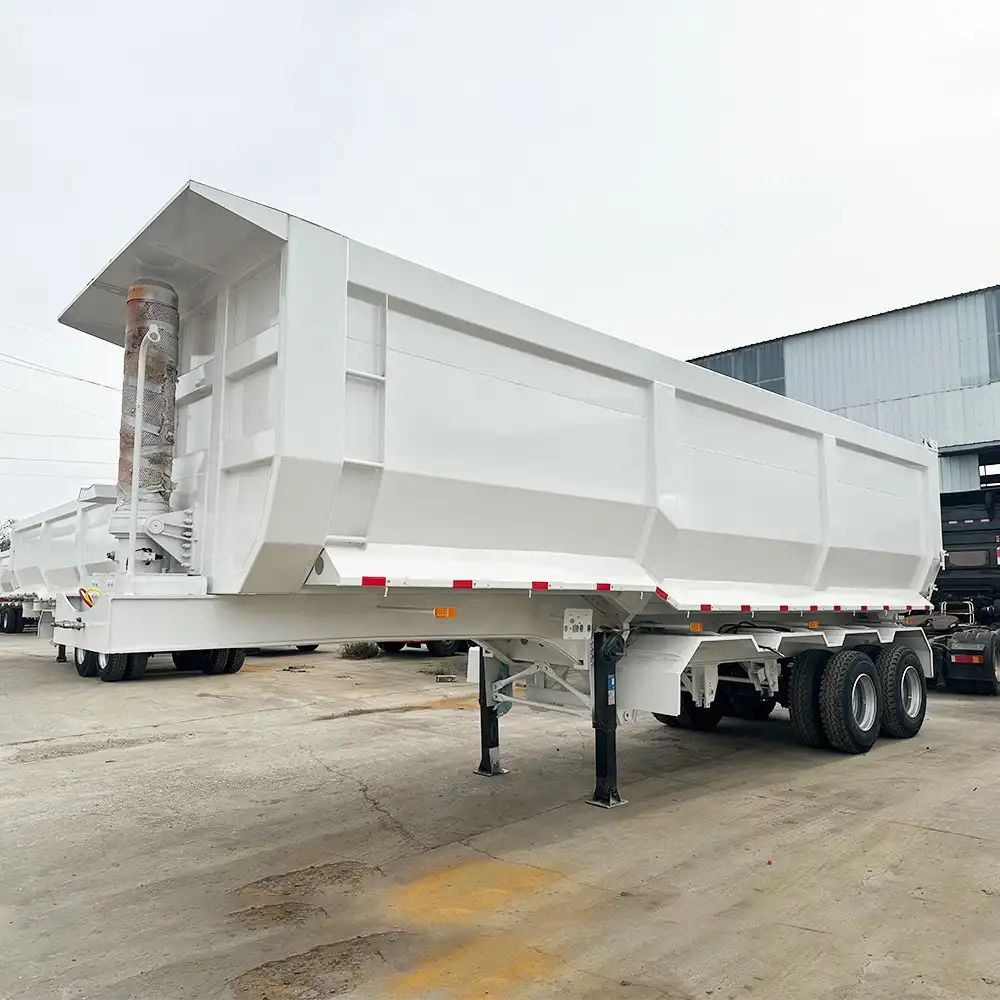
How to Choose the Right Commercial Trailer for Your Fleet: A Comprehensive 2026 Buyer’s Guide
Selecting the ideal commercial trailer for your fleet is one of the most critical capital expenditure (CAPEX) decisions a logistics manager will face in 2026. With fluctuating fuel prices and stricter Emission Standards, the right trailer does more than carry goods—it optimizes your Payload, reduces fuel consumption, and maximizes your ROI. This guide breaks down the essential criteria to ensure your investment drives long-term profitability.
Understanding the Strategic Impact of Trailer Selection on Fleet ROI
In modern logistics, a trailer is no longer just a passive asset. High-performance Dry Van Trailers are now engineered with aerodynamic fairings and lightweight composites that directly impact your fleet's bottom line. When you choose a commercial trailer for your fleet, you are essentially choosing the efficiency of your entire supply chain.
Key Factors to Consider When Buying a Commercial Trailer for Your Fleet
1. Payload Requirements and Structural Integrity
Every pound saved on the trailer's tare weight is an extra pound of Payload you can bill for. However, weight reduction must not compromise structural integrity, especially for heavy-duty applications.
2. Operational Environment and Terrain Adaptability
Will your fleet operate in corrosive coastal areas or extreme cold? Specialized Refrigerated Trailers (Reefers) require superior insulation and robust cooling units to maintain strict temperature compliance during long-haul transits.
2026 Industry Trends: Smart Trailers and Sustainable Logistics
The "Smart Trailer" revolution is here. Integration of IoT sensors for real-time tire pressure monitoring and cargo weight distribution is becoming standard. These technologies reduce unscheduled downtime and improve safety, further enhancing the lifecycle value of any commercial trailer for your fleet.
Conclusion: Future-Proofing Your Logistics Assets
Choosing the right commercial trailer for your fleet requires a balance between initial cost and long-term operational efficiency. By prioritizing high-quality Dry Van Trailers and tech-ready Refrigerated Trailers . you ensure your fleet remains competitive in an evolving market.
FAQ: People Also Ask
1. What is the average lifespan of a commercial trailer for a fleet?Typically, a well-maintained dry van lasts 10-15 years, while reefers may have a shorter primary lifespan of 8-10 years due to the mechanical wear of the cooling unit.
2. How does trailer weight affect fuel efficiency?Every 1,000 lbs of weight reduction can improve fuel economy by approximately 0.5% to 1%, significantly affecting the ROI of large fleets.
3. Is it better to lease or buy a commercial trailer for your fleet?Leasing offers flexibility and lower upfront costs, while buying is more cost-effective for long-term operations (5+ years) where asset ownership builds equity.
4. What are the key maintenance points for high-value trailers?Focus on brake systems, tire inflation (ATIS), and roof integrity to prevent leaks that could damage high-value cargo.
5. How do 2026 emission standards impact trailer design?Stricter standards drive the adoption of aerodynamic side skirts and rear "tails" to reduce drag, helping the tractor-trailer combination meet overall fuel efficiency targets.